
Industry Report
Retail
Clothing and footwear retail market in Poland 2026
Market analysis and development forecasts for 2026-2031
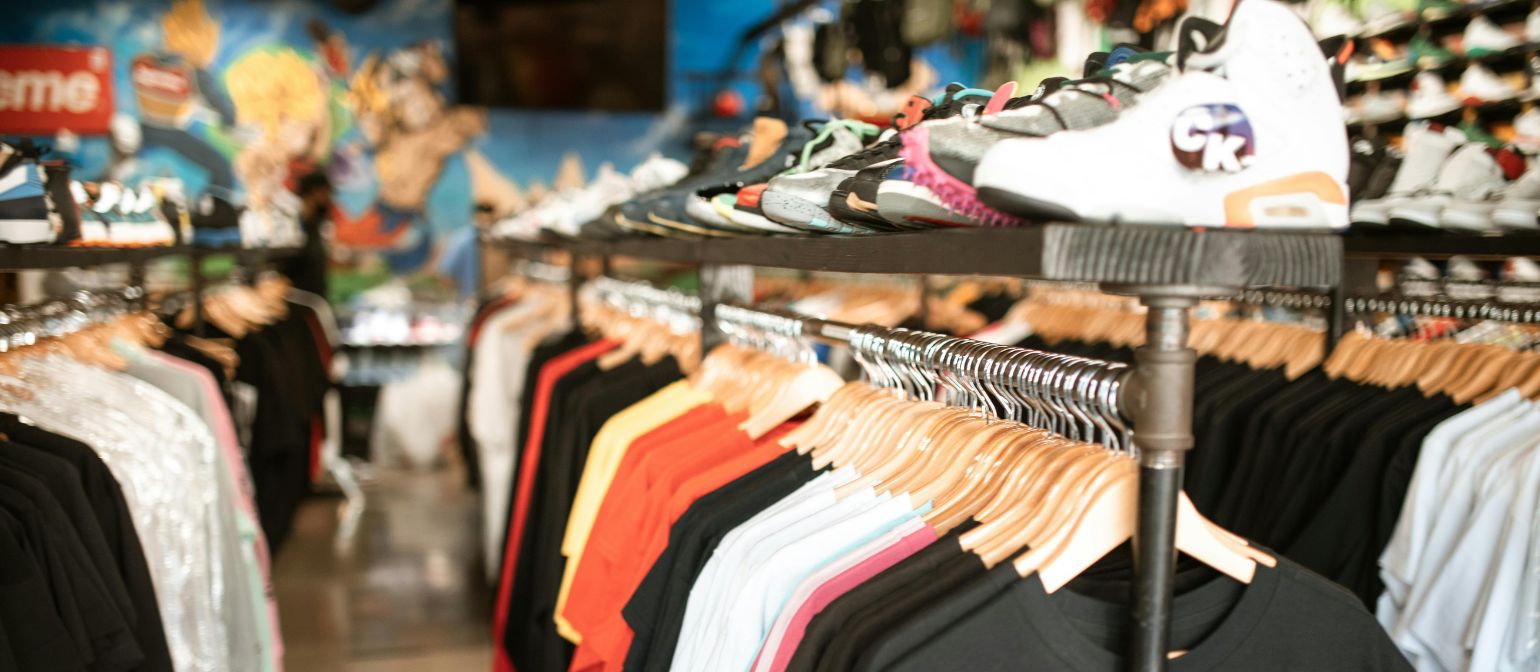
According to the latest data from PMR Market Experts by Hume’s, the value of the Polish apparel and footwear market—which also includes underwear and accessories—will reach nearly 60 billion zlotys in 2024. This represents a 4% year-over-year increase, confirming the sector’s stability despite changing economic conditions. Apparel constitutes the largest segment, accounting for approximately 70% of the total value. However, fashion accessories are experiencing the strongest growth, with an increase of approximately 6% year-over-year. This, in turn, indicates a growing interest in fashion accessories. The increased demand for accessories reflects changing consumer preferences—consumers are increasingly investing in items that complement their wardrobes, highlighting their individual style.
Clothing chains remain the leading sales channel in the Polish apparel and footwear market, accounting for nearly 48% of total sales. They set the tone for the market by creating trends and promoting new collections. At the same time, online sales—which already account for one-third of the market—are steadily growing. E-commerce plays a key role in shopping, especially in the context of post-pandemic shopping habits. Consumers are increasingly turning to online stores, driven by both convenience and the wider selection available online.
Distribution also takes place through various other channels, such as non-food discount stores, markets, and general merchandise stores. Discount stores are playing an increasingly important role, particularly in the budget fashion segment, where customers are looking for attractive prices. Despite the growing role of e-commerce, brick-and-mortar stores remain an important part of the retail landscape.
The report indicates that Pepco is the leader in the Polish apparel market, chosen by 86% of Poles as their primary clothing retailer. The popularity of non-food retail chains, such as Pepco, Action, and KiK, stems primarily from their affordable prices and wide selection. Customers are increasingly drawn to attractive deals, which is fueling the rapid growth of discount stores offering a wide range of products.
In addition to discount stores, general merchandise stores are also gaining popularity. Brands such as Empik, TK Maxx, and Halfprice attract customers by offering a wide range of products in one place. Thanks to their diverse selection, these stores are increasingly frequented by consumers who appreciate the convenience of shopping in a single location. Multi-brand stores are becoming synonymous with modern shopping centers, where customers can find both clothing and other everyday items.
Clothing and footwear chains, such as Sinsay and Reserved, are not far behind. By offering a variety of product categories, including home furnishings, they are striving to attract a wide range of customers. Expanding their offerings to include new product categories is a response to the changing needs of consumers, who increasingly value a comprehensive approach to shopping.
In recent years, secondhand clothing stores have also been growing in popularity. This is a trend that is gaining momentum for many reasons. More and more Poles are choosing to shop for secondhand items not only to save money but also because of growing environmental awareness.
However, this trend also has consequences for the apparel market—the growing popularity of secondhand clothing is leading to a decline in sales of new clothing, which negatively impacts the overall value of the market. Companies in this industry must therefore adapt their strategies to changing consumer preferences in order to remain competitive in the face of the growing secondhand clothing segment.
Forecasts for the coming years point to continued market growth, although the pace of that growth will depend on many factors, including the development of e-commerce, the economic situation, and changing consumer preferences.

Industry Report
Retail
Market analysis and development forecasts for 2026-2031
OTHER BLOG POSTS:







