Industry Report
Construction
Renewable energy market in Poland 2026
Market analysis and development forecasts for 2026-2031
Just a few years ago, Poland’s energy sector relied almost exclusively on coal. Today, Baltic Power’s first turbine is feeding energy into the grid, battery energy storage systems are expanding at an unprecedented rate, and curtailment of solar farm output is becoming an increasingly common occurrence. According to our latest report, “The Renewable Energy Farm Market in Poland 2026,” the Polish market is no longer in a waiting phase for the energy transition. It is already underway and is increasingly reshaping the conditions under which the sector operates. The total installed capacity of renewable energy farms will increase from 22.5 GW at the end of 2025 to 47.7 GW in 2031—a 112% increase over six years.
For years, photovoltaics were primarily associated with prosumer energy. Today, large-scale photovoltaic installations are playing an increasingly important role in the market’s development. The asset portfolios of the largest investors are growing. As our experts point out, to make it into the TOP 25, one must have operational PV farms with a total installed capacity twice as large as it was just two years ago.
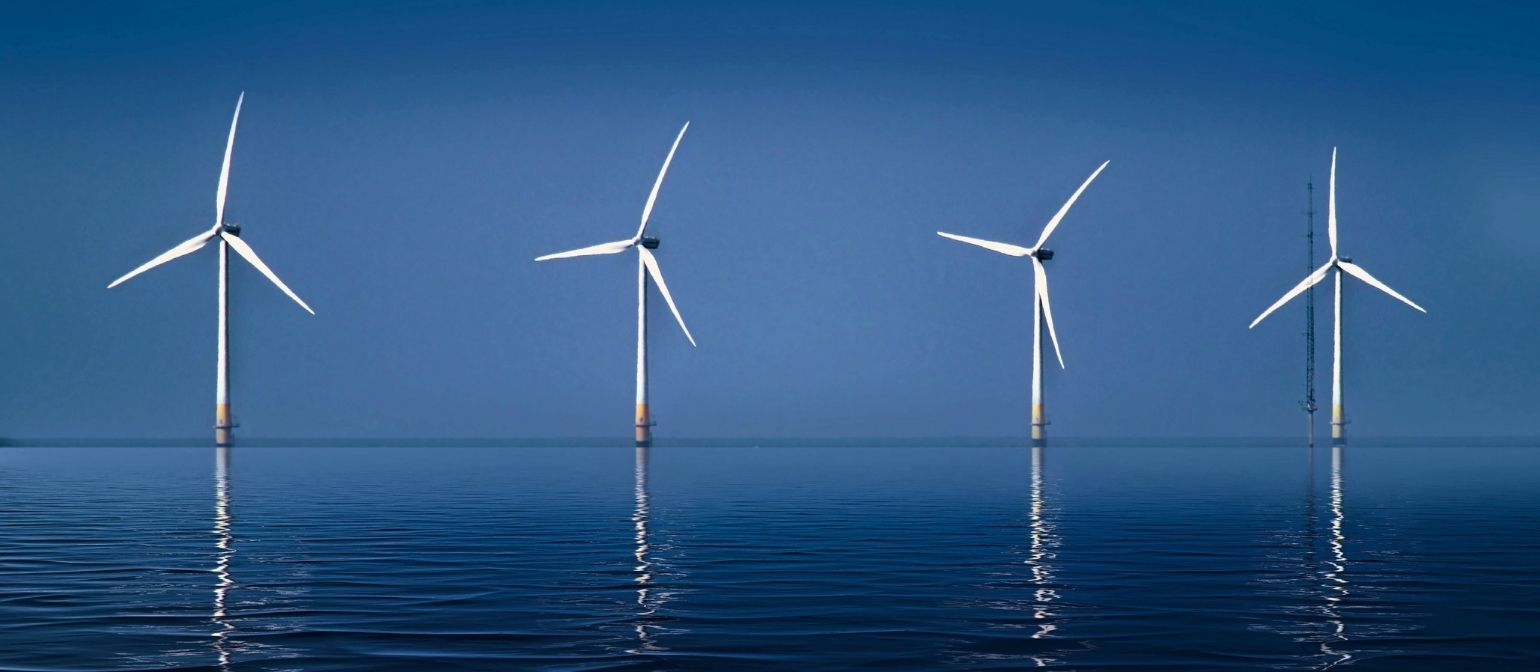
Offshore wind energy is entering a new phase. As of the end of 2025, not a single turbine was operational in Polish waters. That changed in 2026 with the start of power deliveries by Baltic Power. The joint venture between PKN Orlen and the Canadian company Northland Power began supplying power from its first turbine in July 2026, and most of the 76 planned units have already been installed at sea.
The market is currently facing a phenomenon that, just two years ago, was merely an isolated occurrence but is now becoming a significant constraint on revenue: non-market reallocation. From the end of 2022 through the end of May 2026, PSE reduced production from renewable sources by more than 3,000 GWh, including over 2,176 GWh from solar power plants. In 2025 alone, mandatory reductions reached 1,377 GWh. The upward trend continues in 2026 as well. By July 26, non-market curtailment of renewable energy production had already exceeded the total for all of 2025. This means that the financial model for a renewable energy farm should now factor in the risk of curtailment.
At the same time, the number of hours with negative energy prices is increasing, which heightens the need to seek new solutions to improve the economic viability of projects. One such solution is large-scale battery energy storage. As recently as the end of 2024, their total installed capacity in Poland amounted to only a dozen or so MW. According to our research, the market has clearly accelerated over the past dozen or so months. By the end of May 2026, the total installed capacity of large-scale battery energy storage systems had increased more than eightfold.
However, this is only the beginning of this segment’s growth. Experts at PMR Market Experts by Hume’s forecast that its rapid expansion will continue. New projects are already being planned not as demonstrations or pilot programs, but as commercial business assets combining multiple revenue streams, including the capacity market, energy arbitrage, and balancing services.
The total installed capacity of renewable energy farms in Poland will increase from 22.5 GW at the end of 2025 to 47.7 GW in 2031. This represents a 112% increase over six years. However, the pace of growth will vary across different segments. The report provides detailed data on installed capacity forecasts broken down by year and segment.

Industry Report
Construction
Market analysis and development forecasts for 2026-2031
OTHER BLOG POSTS: